
Peril Definition: Understanding Risks in Insurance Policies
Peril in insurance refers to events causing loss, such as natural disasters or theft, influencing policy coverage and risk assessment for property and individuals.

Peril in insurance refers to events causing loss, such as natural disasters or theft, influencing policy coverage and risk assessment for property and individuals.

Personal property refers to movable assets owned by individuals, including furniture, electronics, vehicles, and personal belongings, which can be covered by insurance policies.

Home insurance policies provide coverage for property damage, liability protection, and personal belongings, ensuring financial security against unexpected events and risks.

Pet insurance offers financial protection for dog owners, covering veterinary expenses for accidents, illnesses, and routine care to ensure their pets receive necessary medical attention.
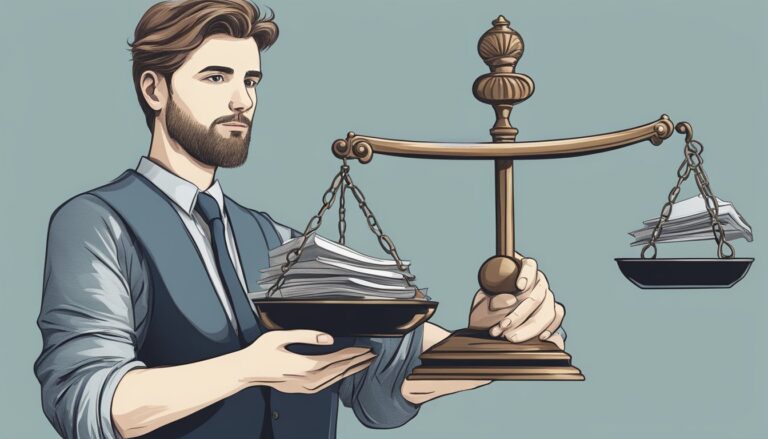
Legal responsibility in the insurance industry encompasses liability, negligence, duty of care, and contractual obligations, impacting coverage and protection for individuals and businesses.

Term life insurance provides affordable coverage for a specified duration, offering a death benefit to beneficiaries and various policy options like renewable and level term insurance.

Low-risk drivers can secure affordable car insurance rates by comparing policies, understanding coverage options, and utilizing discounts to maximize savings.
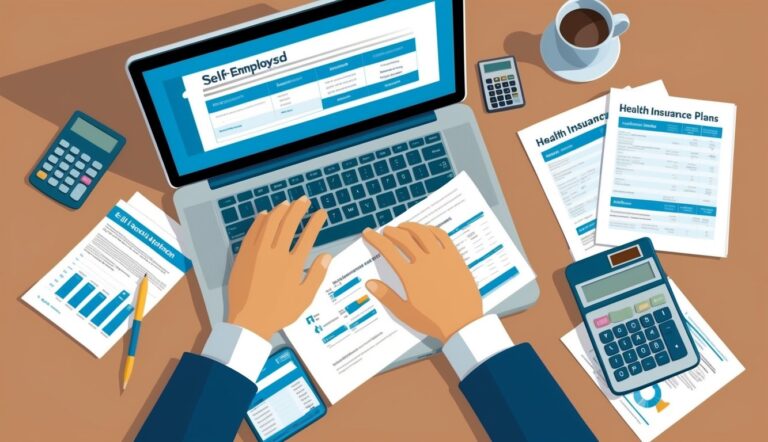
Self-employed individuals can implement strategies to lower health insurance costs, including comparing plans, utilizing tax deductions, and considering health savings accounts.

Auto insurance involves critical terms like premiums, deductibles, and various coverage types, including liability, comprehensive, and collision, impacting costs and legal responsibilities.

Long-term disability insurance provides income protection for individuals unable to work due to illness or injury, typically covering 60% of salary for extended periods.